

Report by Duncan Williams for Pulman's Weekly News

Across Britain, interest in witchcraft and modern Pagan spirituality has become increasingly visible. Once relegated to folklore, Halloween imagery and historical myth, it now sits within a broader, more complex religious landscape in which traditional Christianity coexists with a growing range of alternative spiritual expressions.
While the trend is evident nationally, it is particularly noticeable in parts of Britain with a strong Celtic heritage, where landscape, folklore and a deep sense of place continue to shape cultural identity. In such areas, nature-based spirituality has become increasingly visible within wellbeing culture, online communities and public discussions about faith. What was once regarded as a fringe interest now enjoys a degree of cultural legitimacy that would have seemed unlikely a generation ago.
Modern witchcraft is not a single organised belief system. It ranges from structured Pagan religions such as Wicca to highly individual, informal practices often described as eclectic or “green” witchcraft. Wicca itself emerged in Britain during the twentieth century and draws upon ritual practice, seasonal symbolism and reconstructed elements of pre-Christian tradition. Alongside it sit more fluid forms of spirituality that emphasise personal ritual, herbal knowledge, meditation and symbolic engagement with nature.
For most practitioners, these traditions are not experienced as theatrical or superficial. They are understood as sincere forms of spirituality, often framed less in terms of supernatural claims and more as ways of cultivating meaning, mindfulness and connection to the natural world. This distinction is important, particularly given the way witchcraft is frequently represented in popular culture.
The reasons behind the increased visibility of such practices are closely linked to wider shifts in British religious identity. Church attendance has declined over several decades, while the proportion of people identifying as having no religion has risen significantly. Yet the decline of organised religion has not necessarily extinguished spiritual curiosity. Instead, many people appear to be searching for meaning outside traditional institutions.
For some, witchcraft and Pagan practice offer a sense of autonomy. There is no requirement for formal membership, clerical authority or adherence to a fixed creed. Spiritual practice is shaped by personal experience, reflection and engagement with nature and seasonal cycles. This flexibility appeals in a culture that increasingly values individual choice and self-expression.
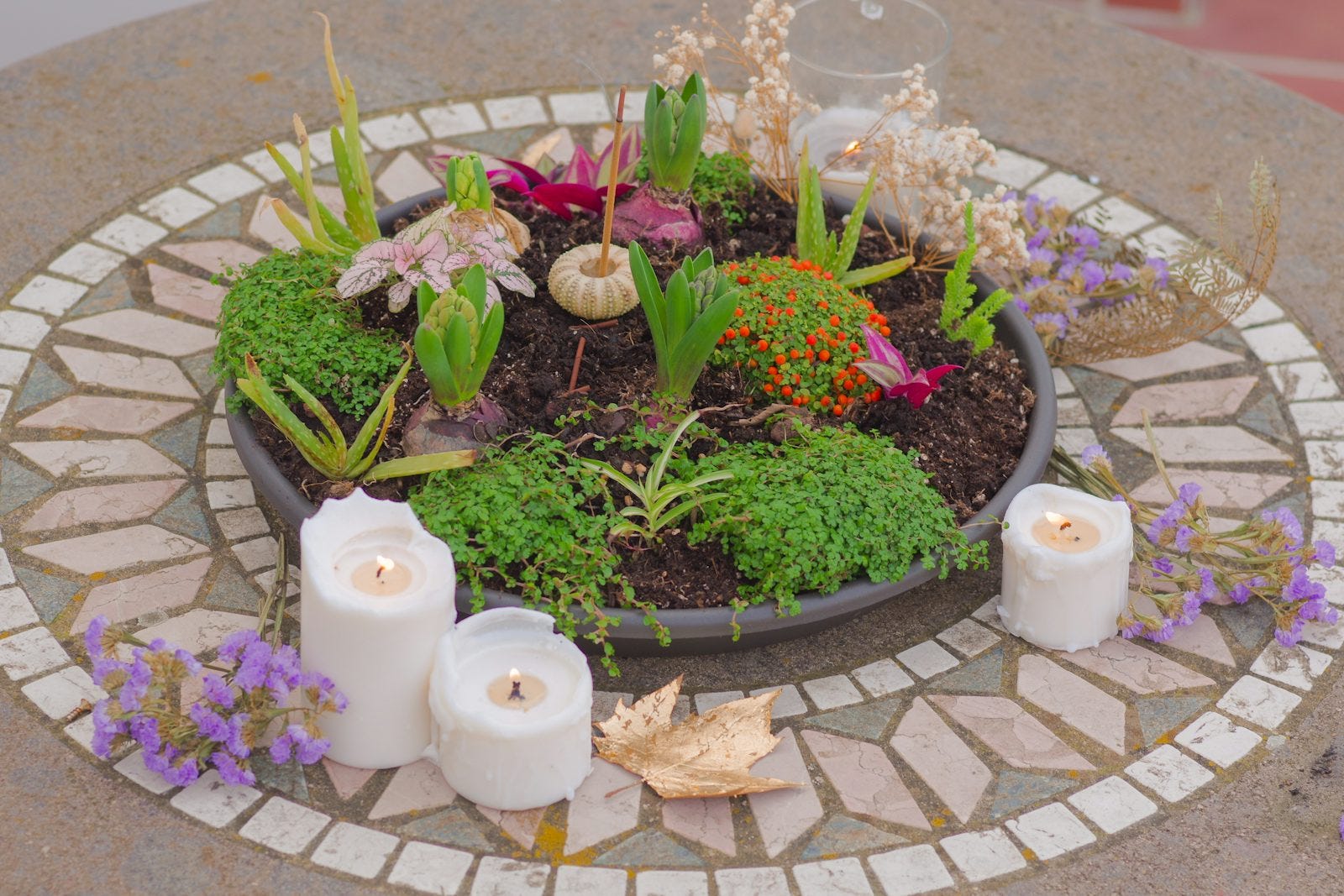
The emphasis on nature is particularly significant. Much modern Pagan and witchcraft practice is closely tied to the changing seasons, environmental awareness and the symbolism of landscape. In a society increasingly dominated by screens, schedules and urban living, many people find themselves drawn to spiritualities that encourage a renewed attentiveness to the rhythms of the natural world.
One of the clearest examples of this can be seen each year at the Summer Solstice. Thousands gather before dawn at Stonehenge to witness the sunrise on the longest day of the year. Among them are Pagans, Druids, Wiccans, New Age spiritual seekers, tourists and the simply curious. What was once a relatively niche observance has become a significant cultural event, attracting widespread media coverage and growing public interest.
For committed Pagans and Wiccan practitioners, the Summer Solstice occupies an important place within the ritual calendar, marking the height of the sun’s power and celebrating the cycles of nature. Yet many who attend would not describe themselves as followers of any particular spiritual path. Rather, they are drawn by a desire for connection, community and participation in something that feels older and larger than themselves.
The popularity of such gatherings raises an important question. Is this growing fascination with solstice celebrations and nature spirituality a genuine threat to Christianity?
The answer is probably more complex than either critics or enthusiasts would like to admit.
Numerically, modern Paganism remains a small minority faith in Britain. The vast majority of those attending events such as the Summer Solstice are not dedicated practitioners of Wicca or Pagan religion. Many are visitors, day-trippers or people attracted by the atmosphere and symbolism rather than any deeply held theological conviction.
Yet it would be mistaken for Christians to dismiss the phenomenon as little more than a colourful gathering or an excuse for a midsummer party. The crowds assembling at Stonehenge each June point towards something deeper within British society. They reveal a continuing appetite for ritual, transcendence and communal experiences of the sacred.
In many respects, the success of modern Pagan spirituality tells us less about Paganism itself than about the spiritual condition of contemporary Britain. The longing that draws people to ancient monuments, seasonal festivals and nature-based rituals is often the same longing that has historically drawn people towards religion more generally: the search for meaning, belonging and a sense of connection with something beyond the self.
This is where the challenge for the Church becomes particularly significant.
Many people continue to hunger for wonder and transcendence, but increasingly seek them outside traditional Christian structures. Some perceive the Church as distant, institutional or disconnected from everyday experience. Others struggle to see how ancient doctrines relate to modern concerns about identity, wellbeing, community and the environment.
The rise of alternative spirituality therefore raises uncomfortable but necessary questions. Have churches become less effective at communicating the beauty and mystery of the Christian faith? Have they underestimated the human need for ritual, symbolism and sacred space? Have they failed to articulate a compelling Christian vision of creation at a time when environmental concern is becoming central to public life?
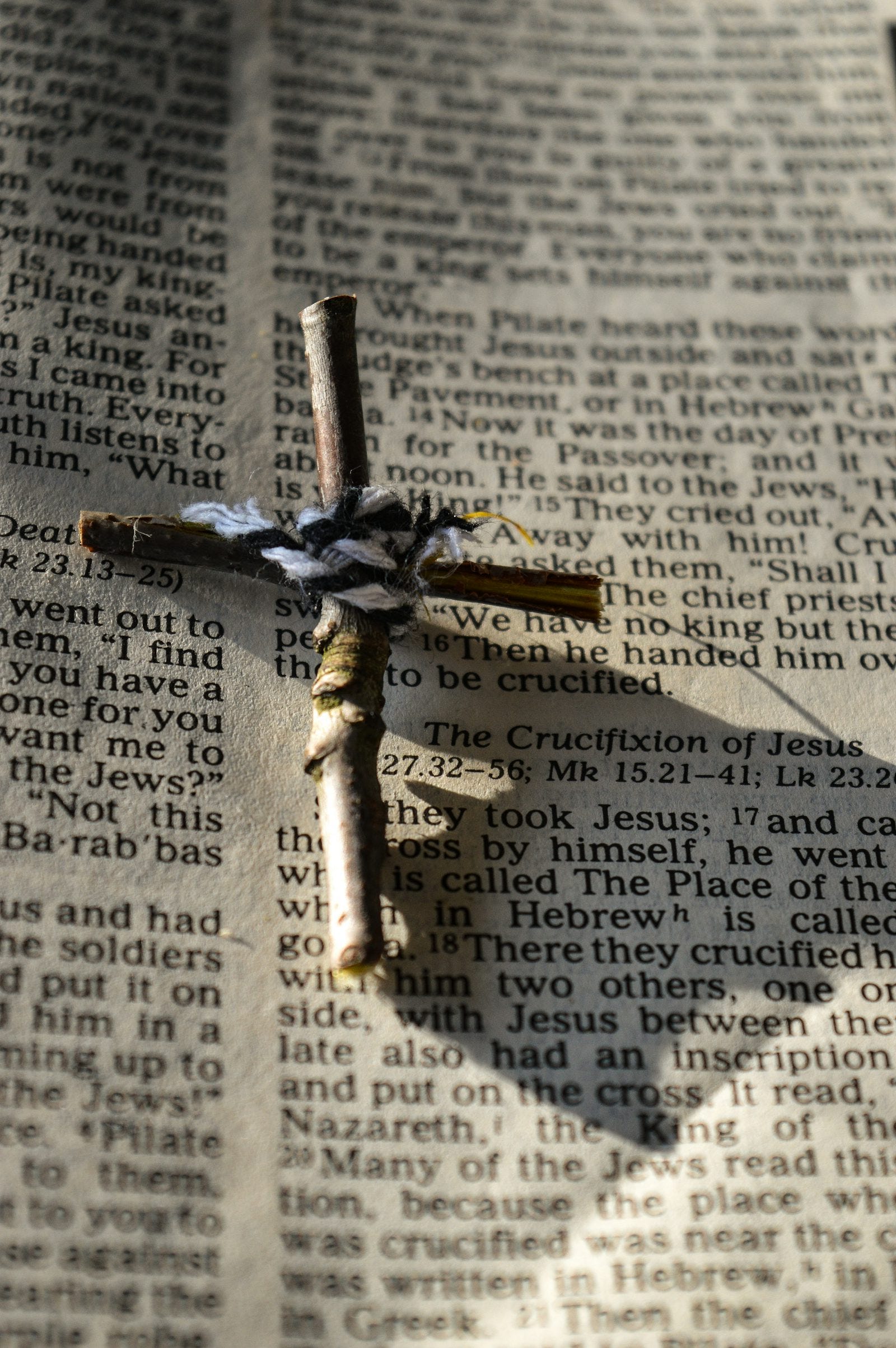
Historically, Christianity has never lacked resources to answer these questions. The biblical narrative begins in a garden and ends with the renewal of creation. The Christian tradition contains rich understandings of stewardship, pilgrimage, contemplation and humanity’s relationship with the natural world. Throughout history, believers have encountered God not only in churches and cathedrals but also in deserts, forests, mountains and remote places of prayer.
The challenge may therefore be less about competing with Paganism and more about recovering confidence in Christianity’s own spiritual inheritance.
What is emerging across Britain is not a wholesale return to pre-Christian religion. Nor is it evidence that large numbers of people are abandoning Christianity in favour of Wicca or Paganism. The reality is both less dramatic and more revealing.
The growing visibility of witchcraft, solstice celebrations and nature-based spirituality suggests that, despite decades of secularisation, the desire for transcendence remains remarkably resilient. People continue to seek ritual, meaning, community and a sense of connection with something larger than themselves. The decline of traditional religious observance has not extinguished those impulses; it has simply changed the ways in which they are expressed.
For Christians, the most important observation may not be why some people are drawn to Pagan spirituality at all, but why so many are searching elsewhere for experiences of wonder, belonging and the sacred. The crowds gathering at Stonehenge before sunrise each June are unlikely to herald a Pagan revival. They do, however, offer a reminder that Britain remains a nation in spiritual search. How the Church responds to that search may prove far more significant than the growth of witchcraft itself.
( Photos: Unsplash 📸 )