

Report by Duncan Williams for Pulman's Weekly News
A new plan is being used to guide nature recovery and protect important habitats across East Devon.
East Devon District Council’s Countryside Team has adopted a Local Nature Recovery Plan, which aims to identify where investment and environmental projects can make the greatest difference for wildlife, local communities and climate resilience.
The plan translates the wider priorities of the Devon Local Nature Recovery Strategy into practical action across the district.
It identifies important habitats, nature recovery networks and areas where evidence suggests environmental work could deliver the greatest benefits.
Among the habitats highlighted are lowland heathland, wetlands, species-rich grasslands, woodlands, hedgerows and urban areas.
The plan also aims to support the recovery of local species while improving people’s access to nature.
The council says combining county-wide priorities with detailed local ecological information and mapping will help ensure that projects are focused on areas where habitat creation, restoration and enhancement can have the greatest impact.
One example is the Wild About Seaton Masterplan, which demonstrates how the approach can be put into practice by identifying priority habitats, improving connections between wildlife areas and targeting environmental work where it can deliver the greatest gains.
The council says the plan could also help unlock external funding for nature recovery projects across East Devon.
Councillor Richard Jefferies, portfolio holder for Environment – Nature & Climate, said: “Nature recovery is one of the most important challenges and opportunities facing East Devon. This Local Nature Recovery Plan gives us a clear and practical framework for directing investment, supporting partnerships and ensuring that our actions deliver the greatest possible benefits for wildlife, local communities and climate resilience.
“By aligning local projects with county-wide priorities, we can help create a stronger, more connected network of habitats across the district for future generations.”
Countryside Manager James Chubb said the plan would help turn wider environmental ambitions into practical projects.
“The Local Nature Recovery Plan provides a valuable roadmap for turning strategic ambitions into practical action on the ground,” he said.
“At Seaton Wetlands, we can already see the benefits of improving habitat connectivity, restoring priority habitats and creating more space for wildlife to thrive.
“The plan will help guide future projects and investment, ensuring that efforts are focused where they can make the biggest difference for both nature and people.”
The plan also supports the council’s responsibilities under the Environment Act 2021 and is intended to ensure that nature recovery is considered across council services, partnerships and future decision-making.
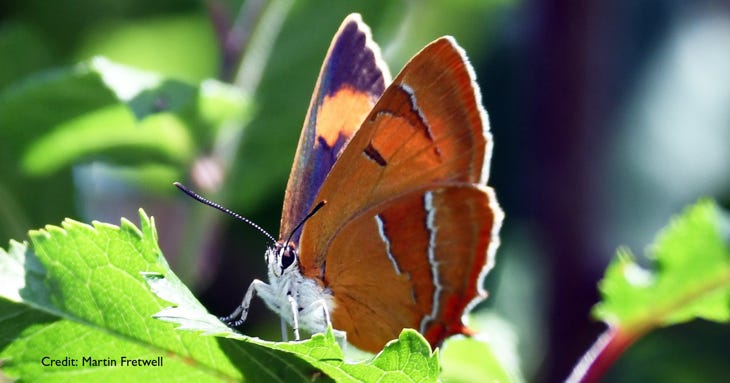
One recent example of the area’s wildlife is the discovery of a rare brown hairstreak butterfly at Seaton Wetlands.
The council says the new plan will provide a framework for protecting and enhancing East Devon’s natural environment while helping to connect important habitats across the district.
The full East Devon Local Nature Recovery Plan is available online.
( Photo: Martin Fretwell 📸 )