

Report by Duncan Williams for Pulman’s Weekly News
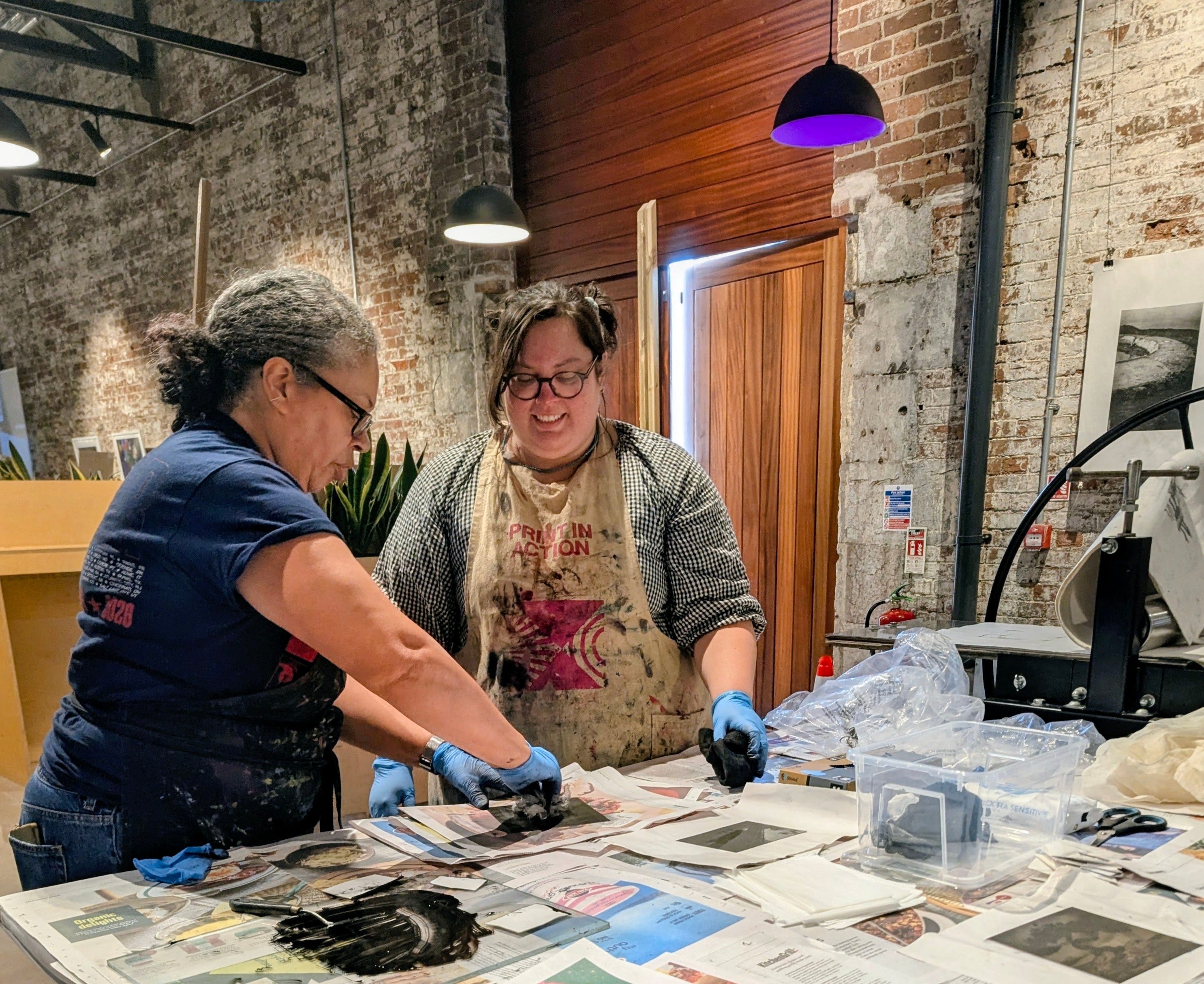
There was something particularly special about attending Creative Intersections Day 2026 at Market Hall in Devonport on Saturday, 7th November. As proud proprietor of Pulman’s Weekly News, with its own deep roots in Devon’s printing and publishing heritage, I found myself reflecting on how much the world of communication has changed, while recognising the enduring value of traditional skills.
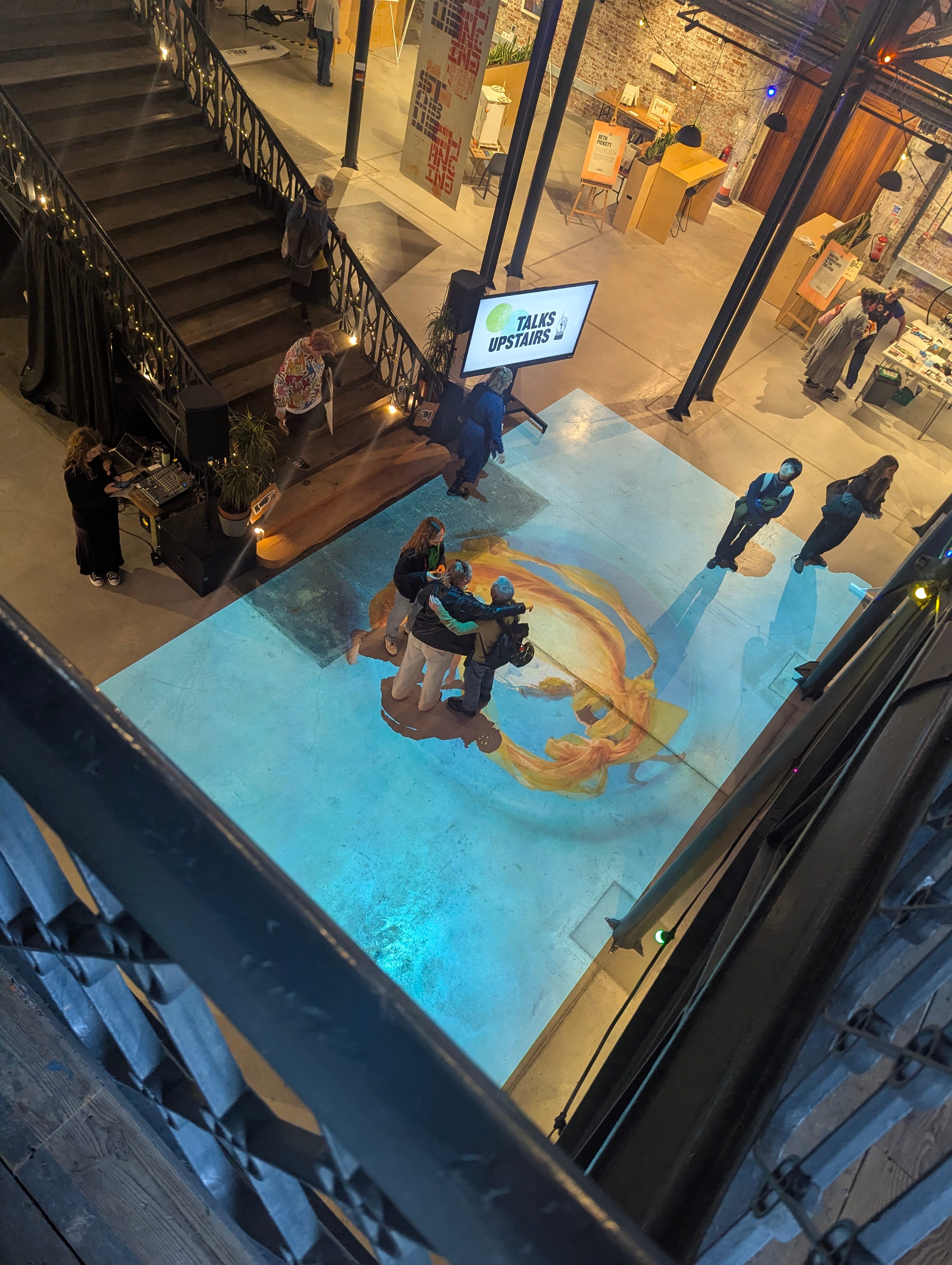
The event brought together artists, makers, designers and creative technologists for a day exploring the meeting point between traditional craftsmanship and contemporary digital innovation. Market Hall, in Duke Street, provided an inspiring setting for demonstrations, practical workshops and discussions.
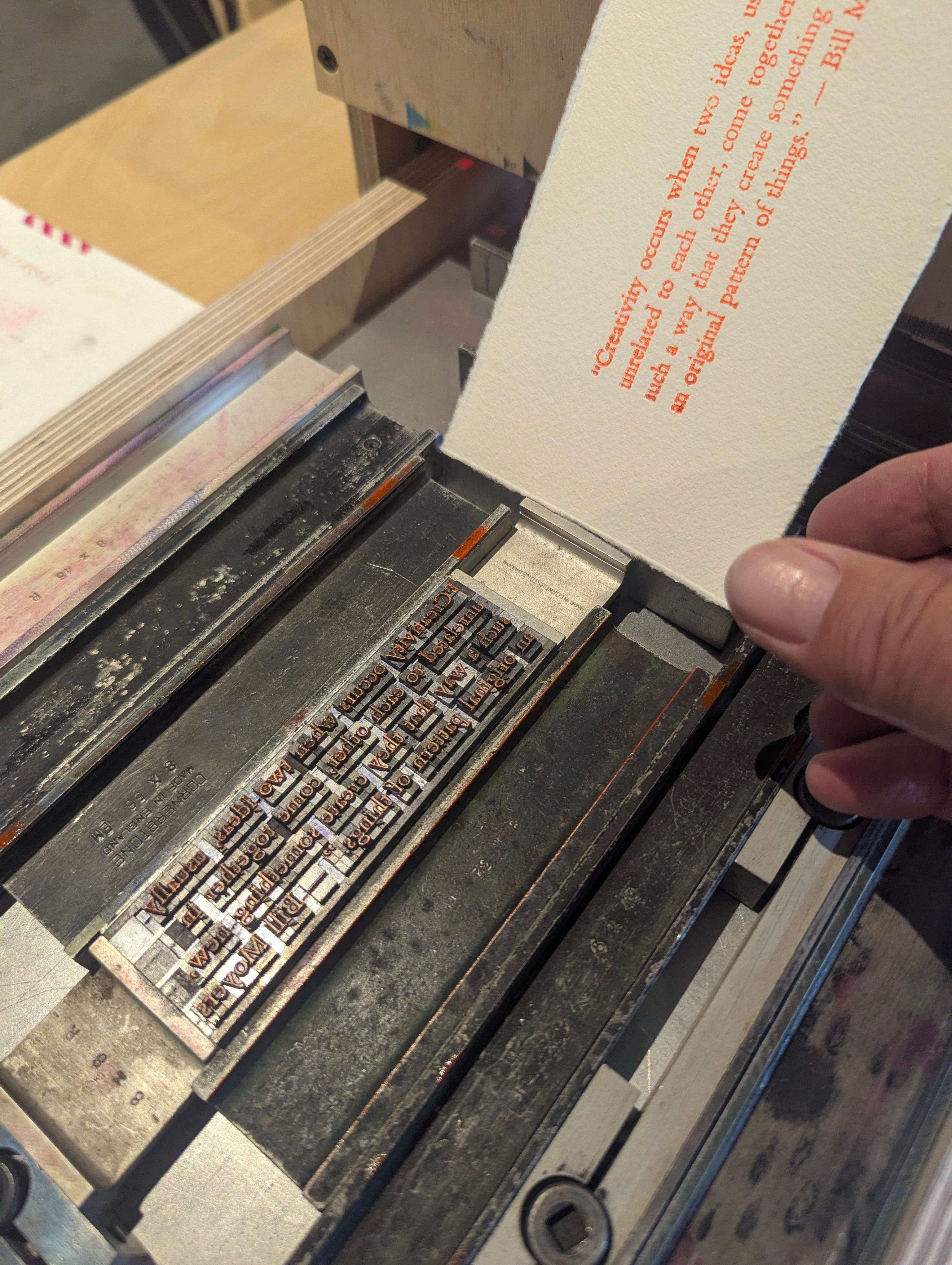
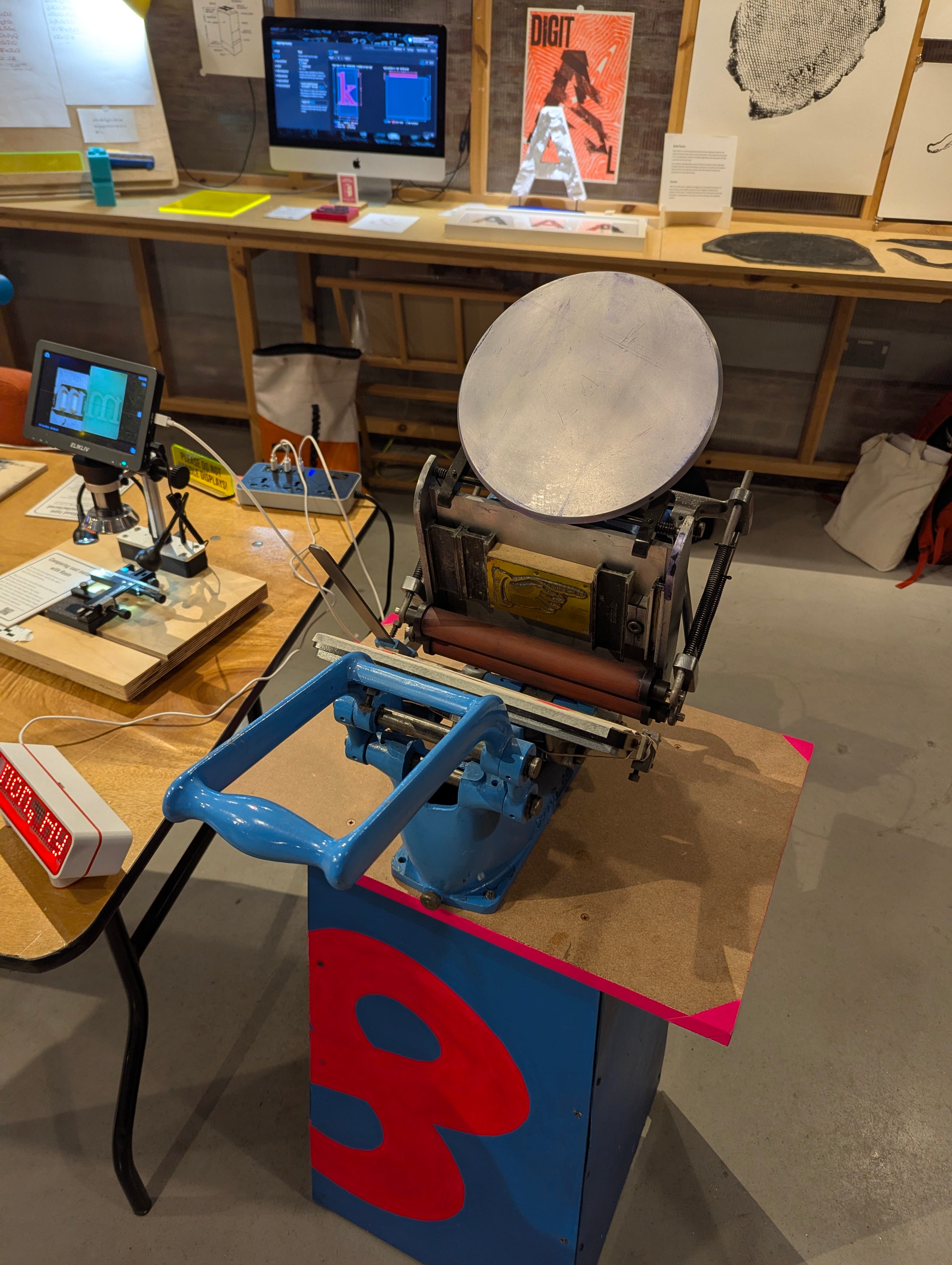
Among the highlights were demonstrations of traditional letterpress and screen printing. Watching the practitioners at work brought back fond memories of an earlier chapter in my own career, when I worked in a traditional hot-metal print shop. I remember the sights, sounds and practical demands of that environment, and the considerable skill involved in producing finished newspaper pages.
Seeing these techniques being practised again was a nostalgic reminder of the craftsmanship and teamwork behind traditional newspaper production.
Letterpress printing is a painstaking, tactile process. Individual pieces of type are selected from their storage cases, arranged upside-down and back-to-front, and assembled into printing forms before ink is applied and the finished impression transferred to paper. Every letter and punctuation mark has its place. It requires patience, precision and considerable practical skill.
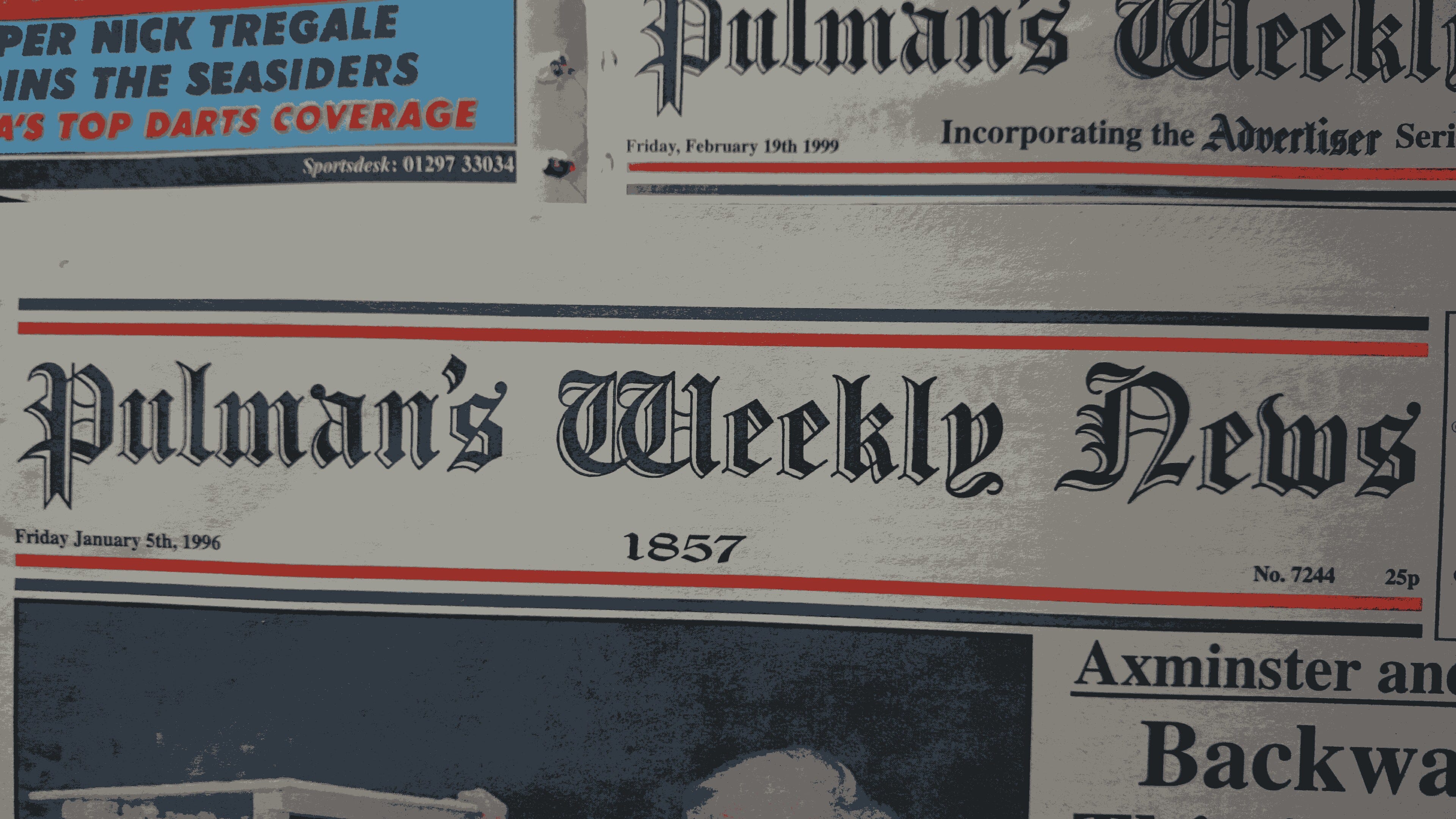
It also brought to mind George Rigney Pulman, the pioneering Victorian Devon publisher whose name remains central to the history of Pulman’s Weekly News. From his printing establishment in Axminster, East Devon, Pulman developed a publishing enterprise producing newspapers and books, helping bring news and information to communities across the region.
His work belonged to an era when printing was transforming how people communicated and connected with the wider world. The printing press was much more than machinery; it was an instrument of education, public information and community identity. Remembering that heritage while watching contemporary printmakers at work in Devonport made the occasion particularly meaningful.
The contrast with today’s publishing industry could hardly be greater. Digital technology has transformed editorial production, allowing journalists to write, edit and publish almost instantaneously. Artificial intelligence is now opening another chapter, with the ability to generate and process content at remarkable speed. Yet the fundamental purpose of publishing remains unchanged: to communicate ideas, tell stories and bring people together.
That was one of the things I particularly appreciated about Creative Intersections Day. Rather than presenting traditional craftsmanship and modern technology as competing alternatives, the programme explored what can happen when they work alongside one another.
Alongside letterpress and screen printing were opportunities to discover digital fabrication, immersive media and emerging creative technologies.
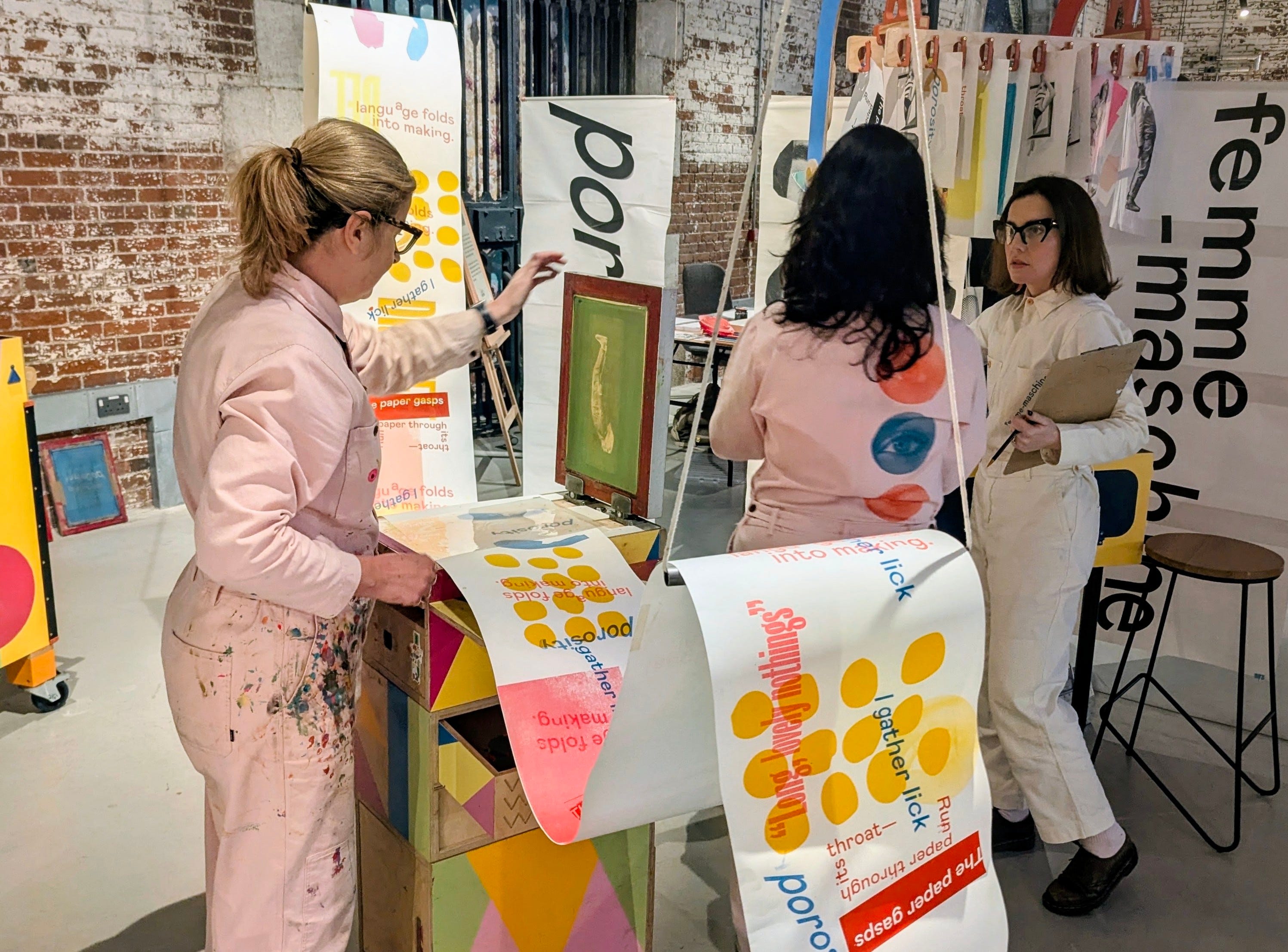
It was refreshing to see younger visitors discovering traditional printing techniques, perhaps for the first time, while established practitioners shared their experiences and explored new possibilities.
Heritage need not simply be preserved; it can be adapted and given fresh relevance through contemporary creativity.
The day was also an excellent opportunity to meet other creative people. I enjoyed conversations with artists, makers and visitors, exchanging thoughts about print, publishing and the future of creative work. The upstairs boardroom hosted the scheduled talks and discussions, while the wider Market Hall spaces provided opportunities to explore the demonstrations. The delicious carrot and coriander soup included in the admission price was another welcome touch.
I came away with a renewed appreciation of the printed word. There is still something distinctive about holding a freshly printed pamphlet, book or newspaper in your hands. The texture of the paper, the impression of the ink and the physical presence of the finished work offer something that digital communication cannot entirely replicate.
George Rigney Pulman embraced the printing possibilities of his own age to bring information and ideas to a wider audience. Today, a new generation of creative people is exploring possibilities that would have been difficult to imagine in Victorian times.
The machinery may have changed, but the creative impulse remains remarkably consistent.
Creative Intersections Day was a celebration of that continuing relationship between heritage and innovation, bringing people together through craftsmanship, imagination and communication.
It was particularly satisfying to see this spirit alive in Devonport, and I hope Market Hall will continue to provide a home for such gatherings in Plymouth and the wider South West.
( Photos: Pulman’s Weekly News 📸 )