

Report by Duncan Williams for Pulman's Weekly News
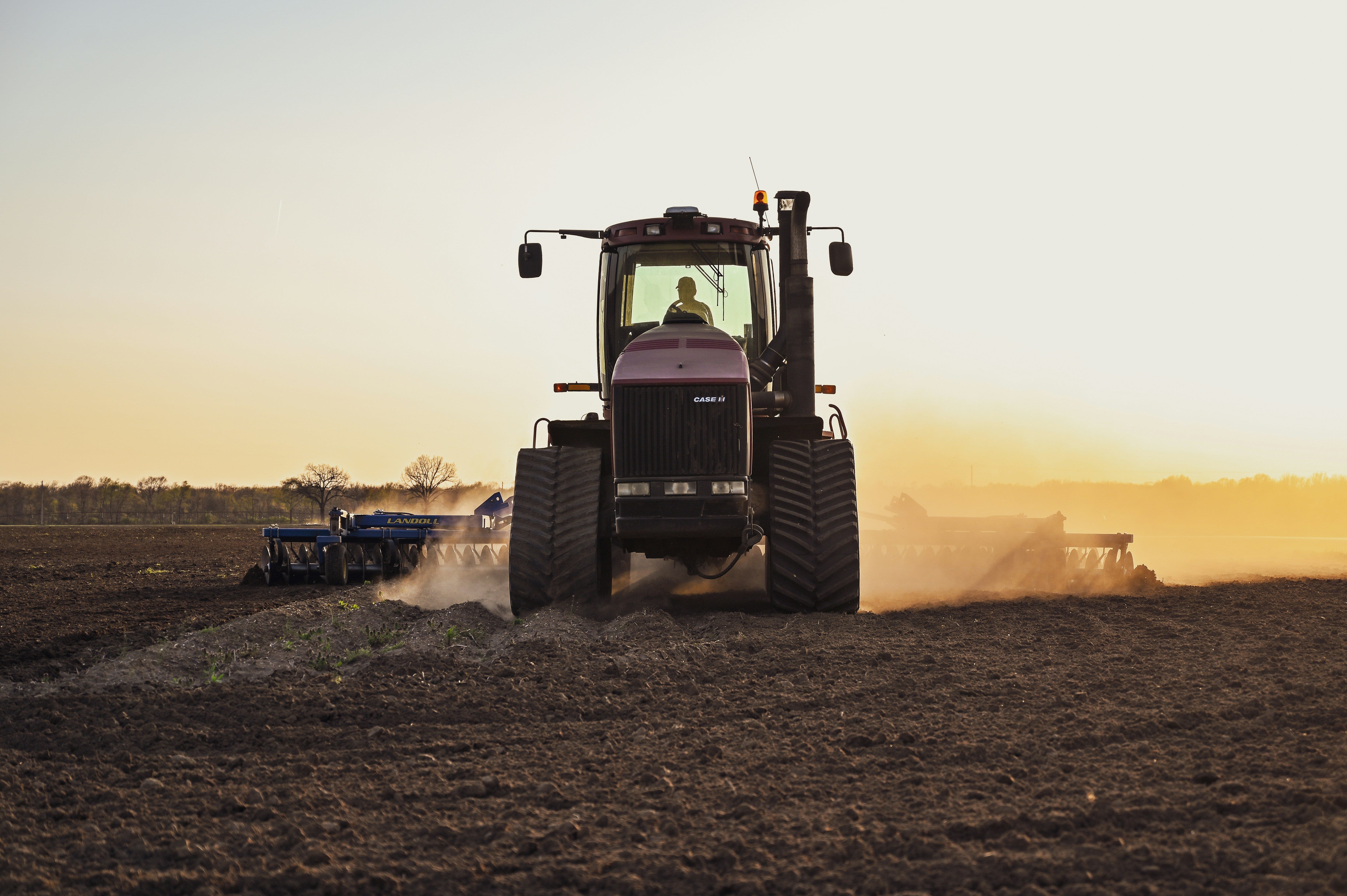
Farmers across the South West have been left frustrated after a £253m government farming support scheme ran out of money within hours of opening for applications.
The Sustainable Farming Incentive (SFI) is intended to support farmers who take action to improve nature, soil and other public goods as part of the system introduced to replace the European Union’s Common Agricultural Policy following Brexit.
But the latest application window closed after less than six hours, after the available funding was allocated.
The Wildlife Trust’s strategic lead for agriculture compared the rush for funding to the scramble for Oasis concert tickets.
The problems have prompted criticism from farming representatives and political figures in Devon, with concerns raised about the pressure placed on farmers already dealing with rising costs, changing support arrangements and difficult weather conditions.
Cllr Cheryl Cottle-Hunkin, Devon County Council’s cabinet member for rural affairs and broadband, described the latest SFI round as an “absolute shambles”.
She said: “SFI26 has been an absolute shambles. The Government has got this badly wrong.
“Farmers and agents were trying to apply from 8.00am this morning. The scheme didn’t open until 10.00am but farmers weren’t even properly told.
“Then the system started failing. People applying were left staring at a spinning loading symbol for hours, desperately trying to get their applications to go through. I’m on a farming WhatsApp group and know farmers and agents have been in tears with the stress and frustration today.
“And while all this was happening, other farmers were still out silaging. Working. Farming. Hoping they could get back to their applications this evening or tomorrow morning which should be completely reasonable.
“Now they’re being told the entire funding pot has gone. Within a matter of hours, less than 6 hours, it was gone. Farmers are furious and with good reason.
“As a farmer myself, and as Cabinet Member for Rural Affairs at Devon County Council, I know exactly how much pressure farming families are already under.
“We’ve lost the Single Payment since leaving the EU. We’ve had huge changes and uncertainty in relation to farm support. We’ve faced severe drought this year and on top of this we’ve dealt with bluetongue. And of course we’ve had the stress and uncertainty around the family farm tax from this same government!
“Farmers should not have to race each other to hit an ‘apply’ button. They should not have to sit at a computer all day instead of farming. And they certainly should not be left in tears because a Government system isn’t working.
“We hear it time and time again from our politicians: “Food security is national security.” And I’ve said it before - I’m sick of hearing it! Government needs to live up to its own words. If food security really is national security, then support the farmers who produce our food.
“DEFRA knew farmers would want this support. They knew demand would be high.
“Yet somehow we have ended up with a system where the quickest person to get through the door gets the money, while thousands of others are left with nothing.
“Farmers are resilient. But Government should not keep pushing them to the limit and then expect them to simply get on with it.
“SFI26 needs urgent action and the Government needs to put this right.
“Farmers deserve better!”
Farming plays a significant role in the economy and landscape of the South West, supporting not only the production of food but also a much wider network of businesses and rural employment.
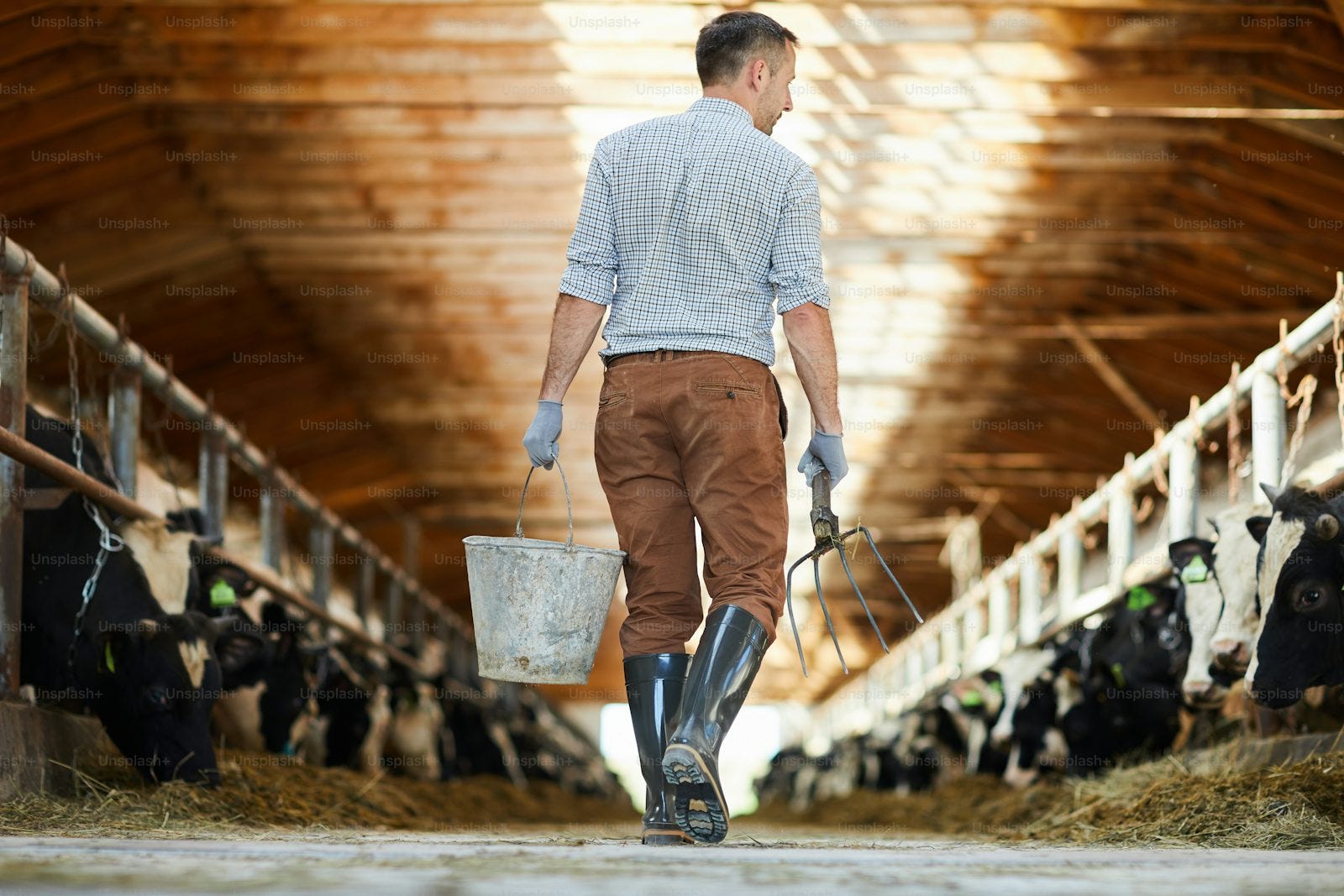
Farm businesses underpin local supply chains involving agricultural merchants, machinery companies, vets, hauliers, food processors and other rural enterprises. Farmers also play a role in managing much of the countryside, including soils, water, hedgerows, grassland and habitats.
That makes the way agricultural support is delivered particularly important in rural areas such as Devon and Cornwall, where farming remains closely connected to the wider rural economy and the character of many communities.
The Sustainable Farming Incentive was introduced as part of the government’s post-Brexit agricultural support system. Rather than basing payments primarily on the amount of land farmed, it provides payments for specified actions, including measures intended to improve soil health, support wildlife and protect the natural environment.
Farmers have to apply for agreements and meet the relevant requirements to receive funding.
The latest round was heavily oversubscribed, with applications submitted by farmers and agents as soon as the window opened.
The government has said additional money was made available because of the expected demand.
A Defra spokesperson said: “This year we ensured small farms and those new to SFI were prioritised – with an exclusive first window in the summer.
“In anticipation of high demand in the second window, Ministers decided to allocate an additional £20-million to the fund, on top of the £50-million announced by the Prime Minister in August, so that we could fund as many agreements as possible. We have therefore allocated a total of £310-million to new agreements under both windows.”
The latest funding allocation is part of wider changes to agricultural support since the UK’s departure from the EU.
For farmers, the issue is not simply about access to one funding round. The transition away from the former EU system has brought changes to how agricultural businesses receive financial support, while farmers continue to face pressures including weather extremes, disease outbreaks, input costs and uncertainty over future income.
In the South West, where agriculture remains an important part of the rural economy, the availability and accessibility of support is therefore closely watched by farming families and the businesses that depend on them.
The government has said the latest funding arrangements will allow it to support as many eligible agreements as possible, but the rapid closure of the application window has raised questions about how future funding rounds will be managed.
For farmers who were unable to secure funding, the immediate issue is what support will be available next and how they can plan their businesses with greater certainty.
( Photos: Unsplash / Getty Images 📸 )