

Report by Duncan Williams for Pulman's Weekly News
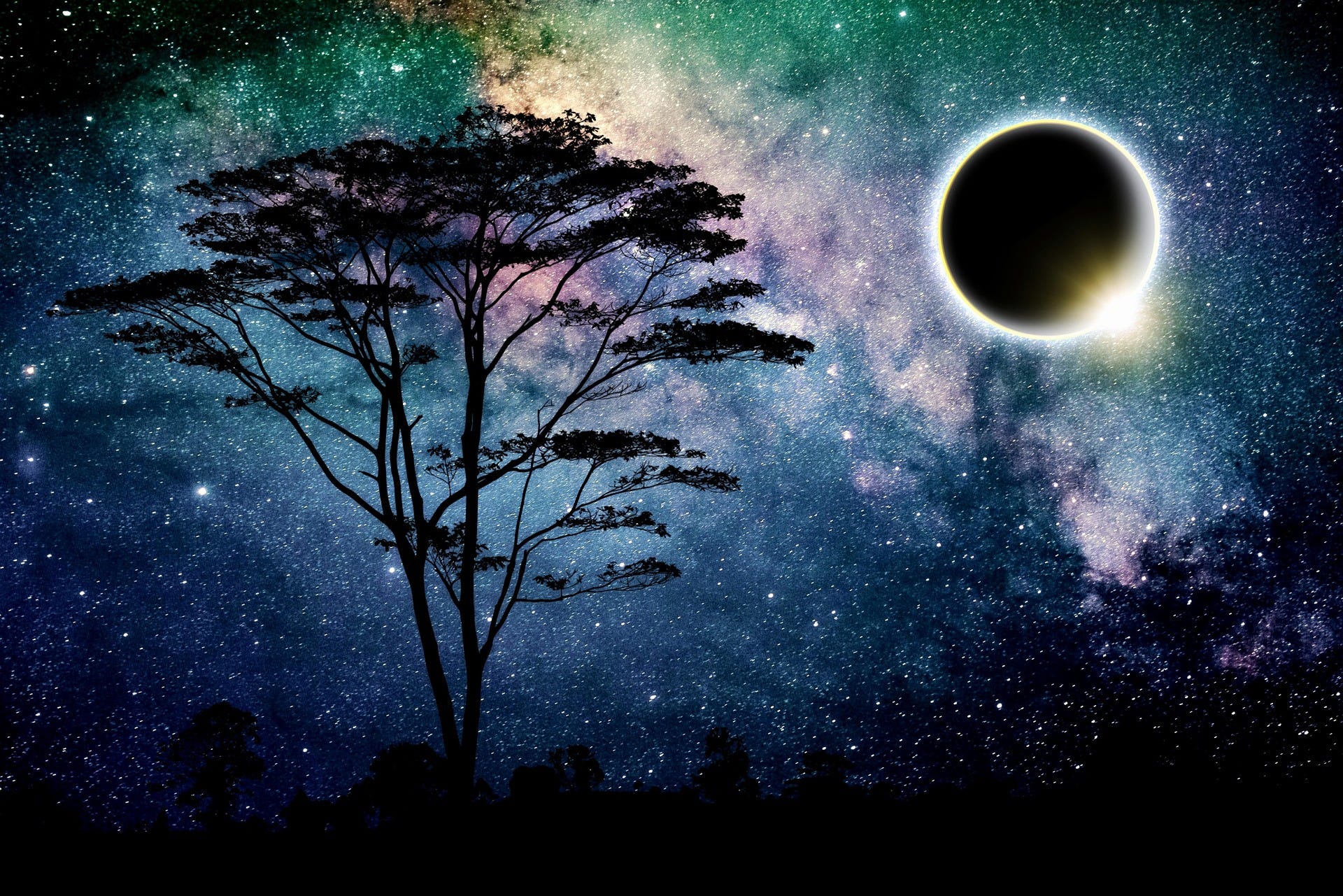
Skywatchers across Devon and Somerset are being encouraged to look to the western horizon on the evening of Wednesday, 12th August, when the largest partial solar eclipse visible from Britain since 1999 coincides with the annual Perseid meteor shower, creating a rare celestial double event.
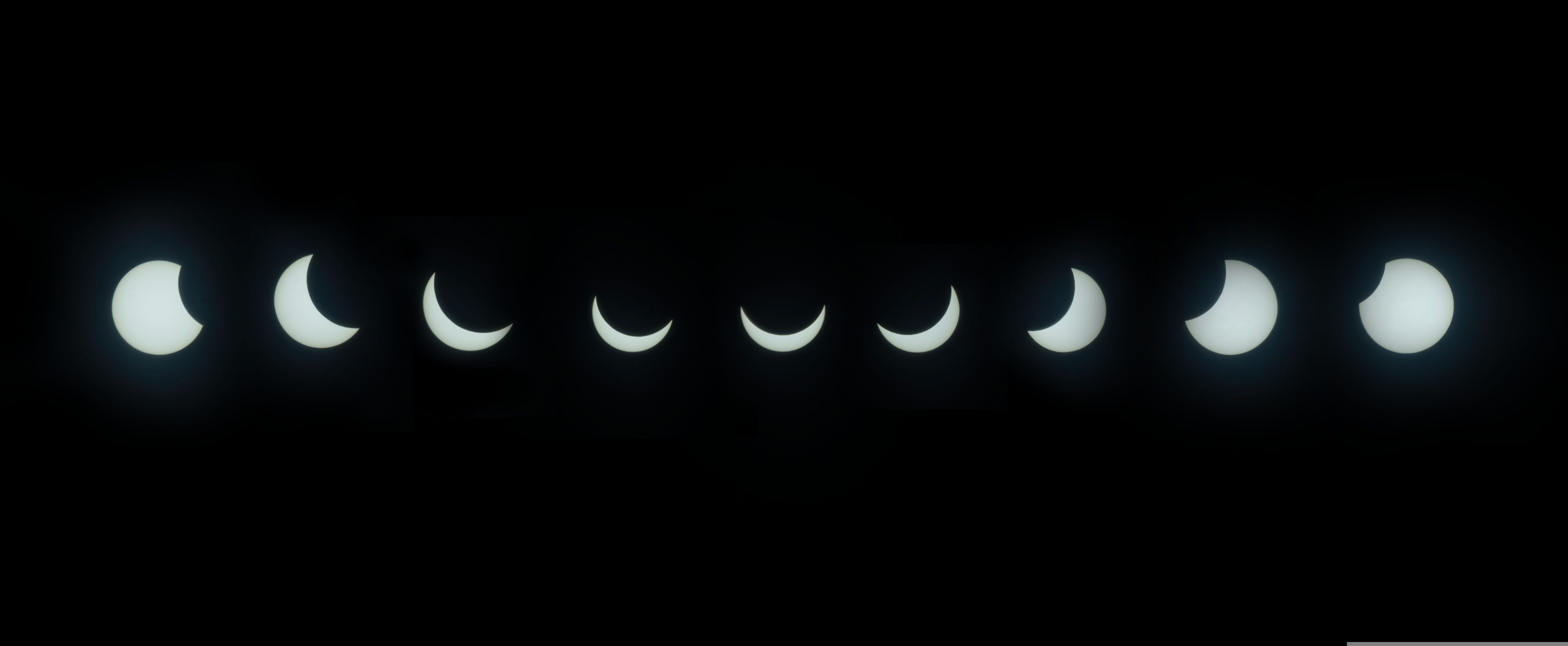
The partial solar eclipse will begin at around 6.15pm, reaching its maximum shortly after 7.10pm before ending just after 8.00pm. During the peak phase, between 94 and 95 per cent of the Sun will be obscured by the Moon across much of the South West.
Forecasters say the region is among the best places in the UK to witness the event, with current predictions suggesting warm temperatures, relatively clear skies and favourable visibility.
According to weather forecasts, many areas of Somerset, including Bridgwater, Frome, Chard and Bath, are expected to enjoy particularly good viewing conditions. Taunton and Weston-super-Mare are also forecast to experience bright skies with little cloud cover during the eclipse.
In Devon, astronomers and experienced observers advise prioritising an uninterrupted western horizon rather than simply seeking the highest viewpoint. As the Sun will be low in the sky during the eclipse’s most dramatic phase, trees, hedgerows, buildings and headlands could easily obscure the view.
Popular coastal locations expected to attract visitors include Budleigh Salterton, Exmouth, Seaton and Sidmouth, where open sea horizons offer excellent opportunities to watch the Moon gradually cover the setting Sun.
Inland locations such as Woodbury Common, Dumpdon Hill near Honiton and parts of the Blackdown Hills may also provide superb vantage points, provided the western skyline remains unobstructed.
Astronomers are nevertheless warning that cloud cover remains the greatest uncertainty. With several days remaining before the event, observers are being encouraged to monitor updated forecasts and consider alternative viewing locations should local conditions deteriorate.
One of the region’s focal points for eclipse viewing will be the Norman Lockyer Observatory in Sidmouth, where a special public event is planned. Doors will open at 5.00pm, with experienced astronomers providing safe solar telescopes and guidance throughout the eclipse.
Organisers say that if cloud obscures the view from East Devon, livestreams from Iceland and Spain will be used, where possible, to allow visitors to follow the event.
Evening activities will also include storytelling, astronomy presentations and meteor watching later in the night.
Experts are stressing that the eclipse must be viewed safely.
Because this is a partial eclipse rather than a total eclipse, the Sun will remain visible throughout the event.
Looking directly at it without proper protection can cause permanent eye damage. Ordinary sunglasses offer no protection. Observers should only use certified eclipse glasses meeting ISO 12312-2 standards or indirect viewing methods such as pinhole projectors.
Binoculars, cameras and telescopes should never be pointed at the Sun unless fitted with specialist solar filters.
Once darkness falls, attention will turn to the Perseid meteor shower, one of the most reliable and popular annual astronomical displays.
The shower reaches its peak overnight between 12th and 13th August, with the highest activity expected between approximately 3.00am and 5.00am BST. This year’s near-new moon will provide unusually dark skies, improving the chances of seeing fainter meteors.
Dark-sky locations such as Trinity Hill Local Nature Reserve near Axminster, the Blackdown Hills and Exmoor National Park are expected to offer the best viewing opportunities.
Exmoor, recognised as Europe’s first International Dark Sky Reserve, is likely to provide some of the finest meteor-watching conditions in the country. The coastal hilltop of Holdstone Down could offer a spectacular vantage point.
Unlike eclipse viewing, no special equipment is required for the Perseids. Astronomers recommend finding a safe, dark location, allowing at least 30 minutes for your eyes to adapt to the darkness, and observing with the naked eye.
For those fortunate enough to enjoy clear skies, Wednesday evening could offer a rare opportunity to witness two of the year’s most striking astronomical events in a single night.
( Photos: Pixabay Library 📸 )