

Report by Duncan Williams for Pulman's Weekly News
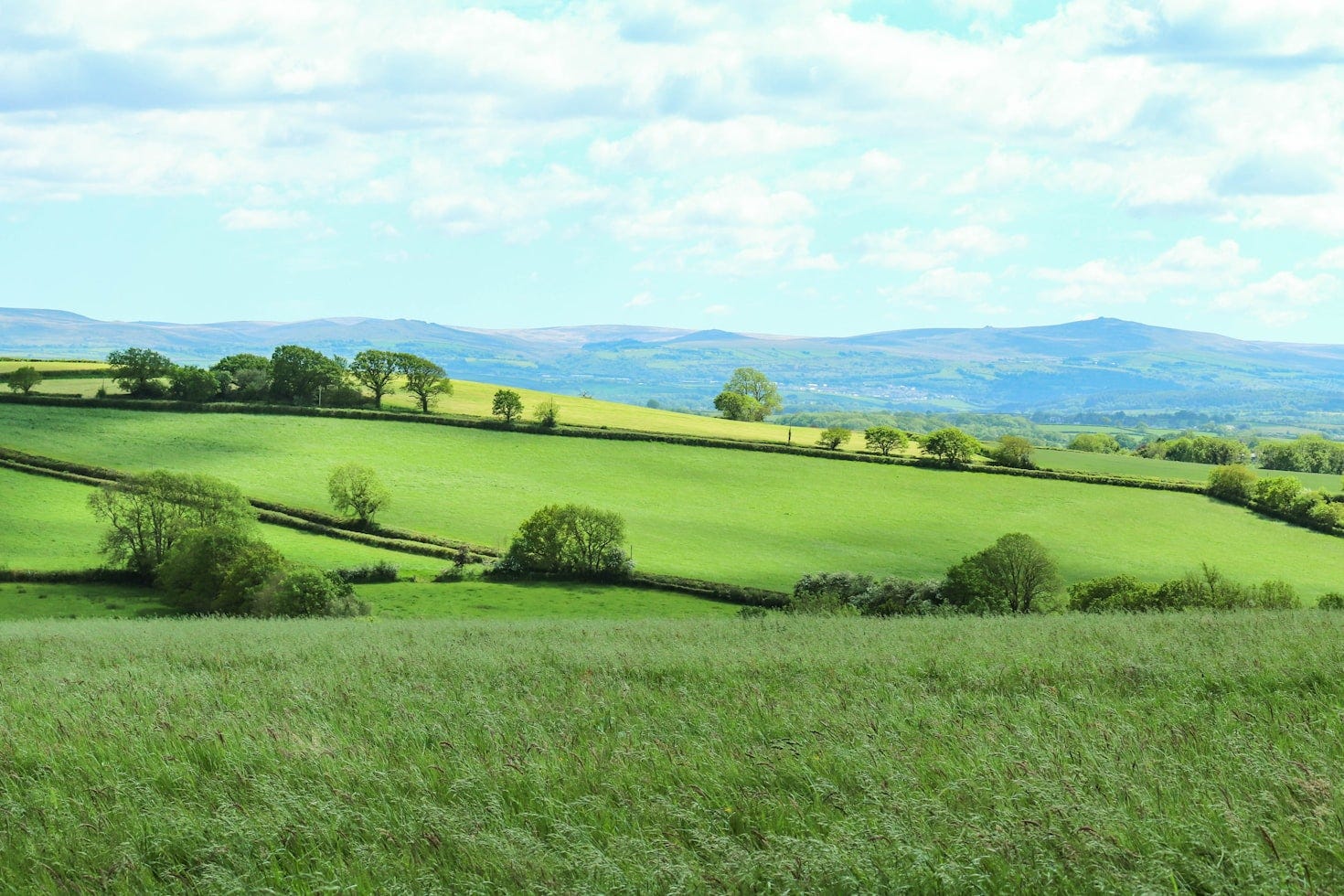
The names of Devon’s four new councils have been confirmed as part of the Government’s sweeping reorganisation of local government, with more than 150 councillor positions set to disappear across the county.
Under the plans, Devon’s existing county and district council structure will be replaced by four unitary authorities responsible for delivering all local services within their areas. The new councils will be known as Exeter Council, Greater Plymouth Council, Torbay and South Devon Council, and Devon Council.
The changes form part of the Government’s wider programme of local government reorganisation and are expected to come into effect in April 2028, following elections to the new authorities in May 2027.
The overhaul will see the abolition of Devon County Council and the county’s district councils, replacing the current two-tier system under which responsibilities are shared between county and district authorities. At present, Devon County Council oversees services such as highways, education and social care, while district councils are responsible for areas including waste collection and planning.
Plymouth City Council and Torbay Council already operate as unitary authorities, meaning they currently manage all local government services within their boundaries.
A significant reduction in elected representatives is also planned. The number of councillors across Devon’s 11 existing councils will fall from 481 to 321, a reduction of around one-third.
Under the proposals, Devon Council, covering the county’s predominantly rural and coastal areas, will have 103 councillors. Exeter Council will have 86 councillors, Greater Plymouth Council 68, and Torbay and South Devon Council 64.
The Government has also allocated £900,000 to each new authority to support the transition, amounting to £3.6 million across Devon. An additional £150,000 per council could be made available to help manage changes to children’s and adult social care services.
In a letter sent to the chief executives of Devon’s councils, ministers outlined plans for joint committees to oversee the transition process. Devon Council’s committee will comprise seven district council representatives and seven county council representatives. Exeter Council’s committee will include two members from Exeter City Council, one representative from each of the three district councils helping to form the new authority, and five representatives from Devon County Council.
Similar arrangements are expected for Greater Plymouth Council and Torbay and South Devon Council.
The Government has requested further information from Devon’s councils by 17 August to help prepare a Structural Change Order, the legal mechanism required to establish the new authorities.
The letter states that, once finalised, the order will undergo scrutiny by parliamentary committees before being formally laid before Parliament. Ministers expect the legislation to come into force during 2027.
The plans are progressing despite the possibility of a judicial review challenge from Devon County Council.
Any formal legal action would need to be launched by mid-October.
Boundary changes will also accompany the reorganisation. Exeter Council is expected to incorporate 15 parishes from Teignbridge, 28 from East Devon and six from Mid Devon. Torbay and South Devon Council will include 16 parishes from Teignbridge and five from South Hams, while Greater Plymouth Council will absorb 13 parishes from South Hams. The remaining areas will form the new Devon Council.
Although the names announced by ministers will be the authorities’ official legal titles when they are established, each council will have the option of applying to change its name in the future.
If approved by Parliament, the changes will mark the most significant restructuring of local government in Devon for decades, fundamentally reshaping how services are delivered to residents across the county.
( Images: Unsplash 📸 )