

Report by Duncan Williams for Pulman's Weekly News
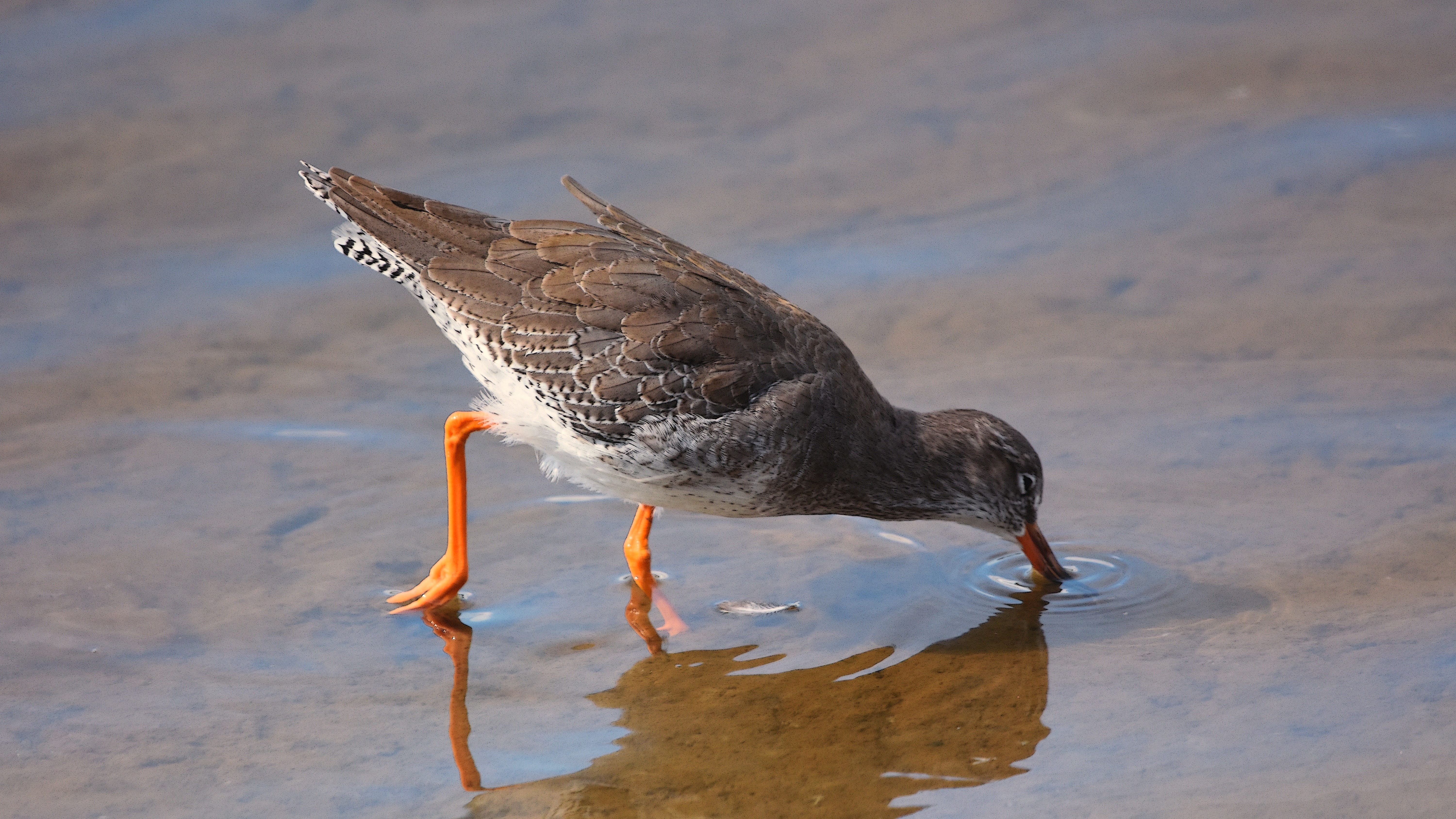
More than 23,000 wild birds have been caught, ringed and recorded by a dedicated group of volunteers in East Devon, as it celebrates 20 years of helping scientists understand the movements and habits of the region’s birdlife.
The Axe Estuary Ringing Group was established in October 2006 after receiving a licence from the British Trust for Ornithology (BTO), with the aim of studying the breeding, wintering and migration patterns of birds along the Axe Estuary.
Since then, the group has processed an impressive 23,300 birds representing 100 different species, according to its founder and president, Mike Tyler.
Much of the work has been carried out at Seaton Wetlands Reserve, in partnership with East Devon District Council.
Birds are carefully fitted with identification rings and, in some cases, additional colour markings. These enable researchers to identify individual birds if they are subsequently encountered elsewhere, helping build a picture of their movements and survival.
Records gathered by the group are submitted to the BTO for inclusion in its national database. Information is also shared with East Devon District Council, helping inform habitat management and support applications for conservation funding.
But the group’s work extends beyond scientific research. Over the past two decades, its volunteers have also organised public demonstrations, giving visitors the opportunity to see wild birds close up and learn about the techniques used in ringing.
Schools and other educational establishments have invited members to deliver sessions as part of their biology teaching, helping introduce younger generations to bird conservation and the importance of monitoring wildlife.
The group’s research has included colour-ringing different species and, more recently, monitoring sand martins at a newly created bank on the reserve.
Its work has attracted wider media attention, with projects featuring on BBC programmes including Countryfile and South Today on several occasions.
To celebrate its 20th anniversary, the group plans to organise a public bird-ringing demonstration and exhibition, offering visitors a closer insight into its work.
Membership is not restricted to qualified and licensed bird ringers. Volunteers without ringing qualifications can also get involved by assisting with sessions and supporting the group’s activities.
After 20 years and more than 23,000 birds recorded, the Axe Estuary Ringing Group continues to make a valuable contribution to understanding and protecting the wildlife of East Devon.
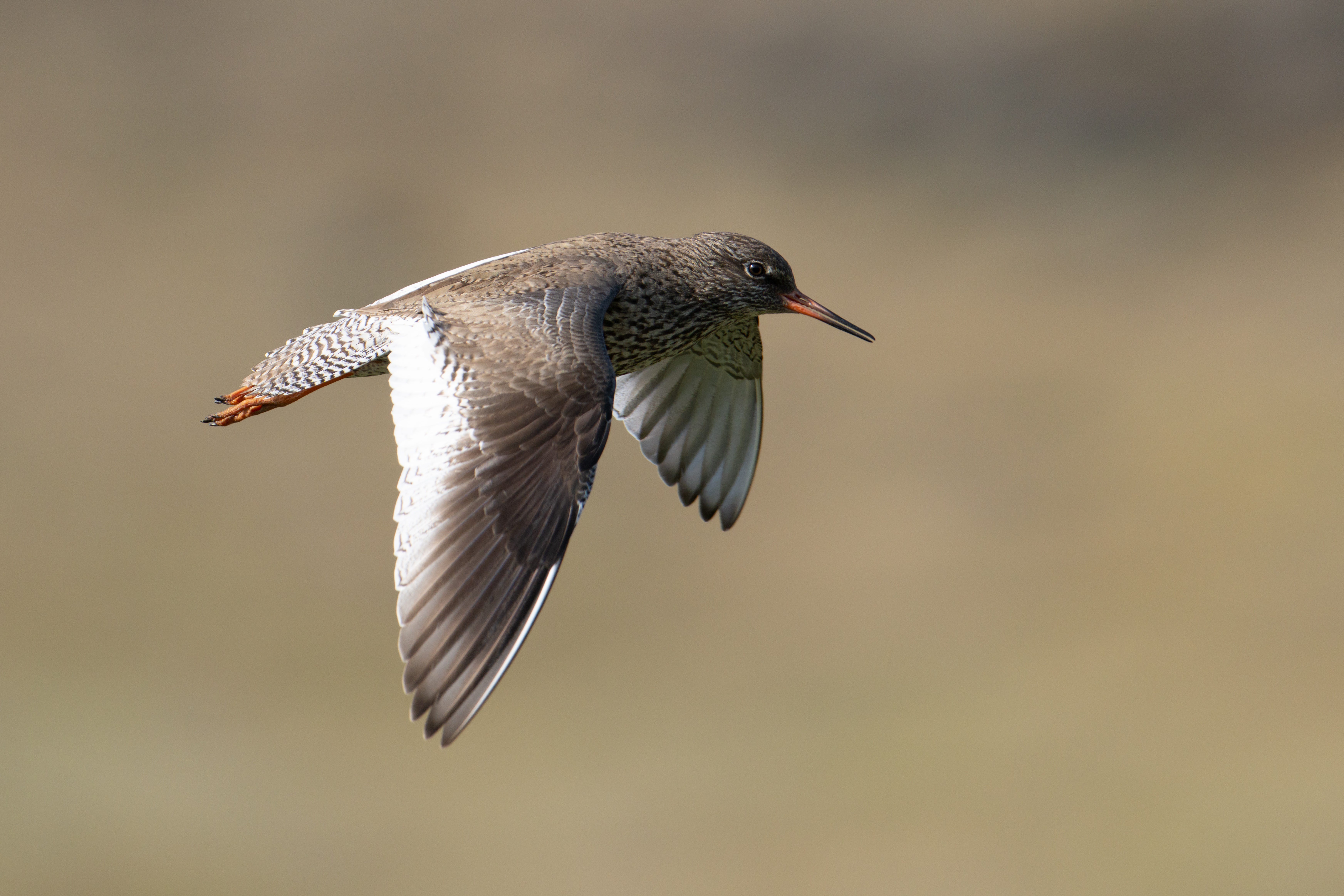
( Photos: Common Redshank / Pixabay Library 📸 )