

Report by Duncan Williams for Pulman's Weekly News
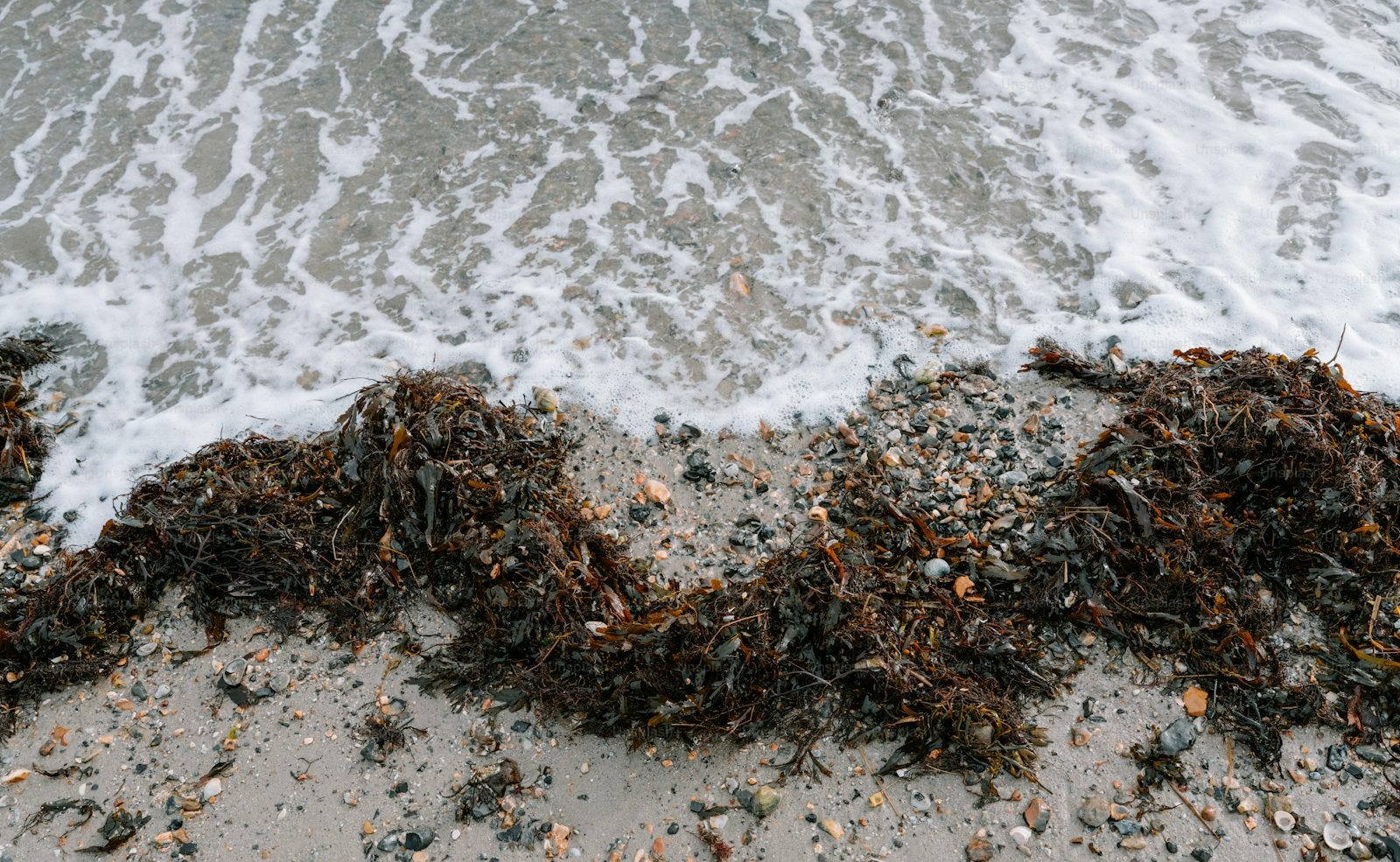
Scientists investigating water pollution in Devon have found that sewage-linked E. coli can reach popular beaches and shellfish farms even when there has been little or no rain, raising questions about how effectively current pollution warnings protect the public.
Research by scientists at Plymouth Marine Laboratory (PML) has tracked bacteria from rivers and sewage overflows through coastal waters to beaches and shellfish farms in Plymouth Sound and Lyme Bay.
The study found that rainfall alone is not a reliable indicator of where bacterial pollution will end up.
Instead, coastal currents, tides and wind direction and speed can determine how contamination is transported, potentially carrying bacteria considerable distances from its original source.
Researchers combined water sampling with a sophisticated ocean model and particle-tracking technology to investigate how E. coli moves through coastal waters.
One example came on 8 July 2024, when elevated levels of E. coli were detected at Plymouth beaches despite the day being dry and rainfall not occurring until later.
The levels were already above the threshold considered sufficient for bathing-water quality.
Researchers also examined 13 years of data from three Devon river catchments and found no significant relationship between rainfall and levels of E. coli.
The findings suggest that warnings based largely on rainfall could fail to identify some periods when coastal waters are affected by bacterial contamination.
Dr Gavin Tilstone, the study’s lead author, said: “Rainfall and river volume alone are not sufficient to forecast where E. coli contamination will end up, and coastal current direction is just as necessary.”
He added that the research had identified instances of poor water quality outside the official bathing season and during dry weather, when people may still be swimming.
The study also demonstrates how pollution from a river can be transported towards different parts of the coastline depending on conditions at sea.
Researchers found that bacteria originating in the River Plym could be funnelled eastwards towards Jenny Cliff, Bovisand and Wembury on some days.
Under different conditions, the same source could instead be carried towards the Breakwater and beaches further west.
The implications extend beyond recreational swimming.
In Lyme Bay, researchers investigated two contamination events affecting offshore mussel farms in May and October 2019.
Using the particle-tracking model, the scientists traced the events probabilistically to probable sewage discharges associated with combined sewer overflows on the Exe and Dart, more than 10 kilometres from the shellfish farms.
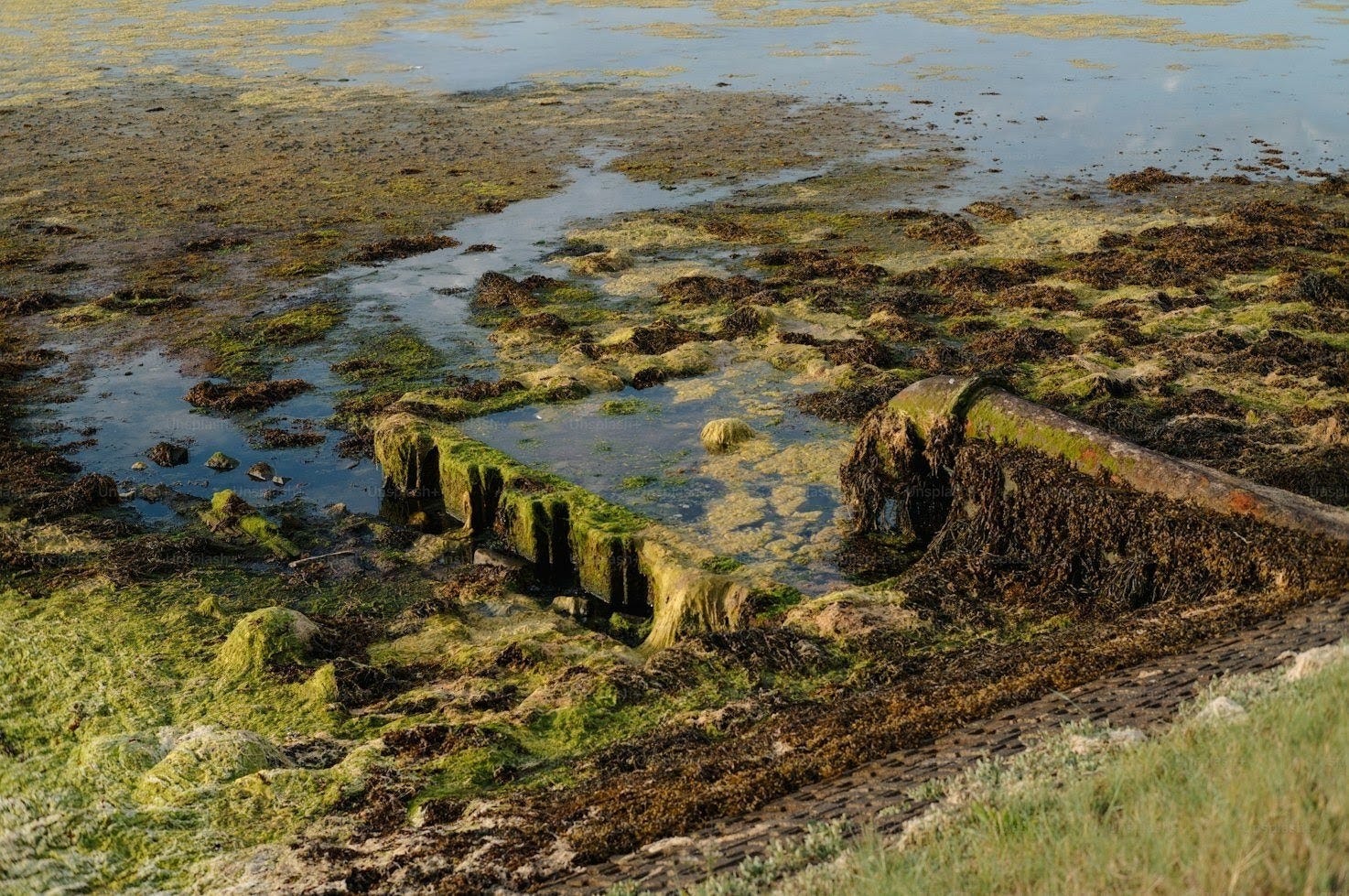
The contamination resulted in the shellfish safety classification being downgraded, with the affected businesses suffering losses running into thousands of pounds through lost revenue and reputational damage.
The research comes against a backdrop of continued concerns about sewage discharges into England’s rivers and coastal waters.
Environment Agency figures cited by PML show that storm overflows in England spilled 291,492 times during 2025, lasting a combined 1.87 million hours.
Across the South West, covering Cornwall, Devon and West Dorset, there were 46,164 recorded spills lasting 407,006 hours.
The scientists say current monitoring methods can also miss short-lived pollution events.
Routine water-quality testing relies on periodic spot samples, meaning a contamination spike can occur between scheduled sampling visits and go undetected.
According to the research, routine monitoring may record only around 5 per cent of exceedance events.
The issue is particularly relevant because the official bathing-water monitoring season runs from around mid-May to September, while people increasingly use coastal waters for swimming and other activities outside those months.
The study cites previous research suggesting that between 2.5 and 4 per cent of bathers may develop gastrointestinal illness even at beaches classified as having “excellent” water quality.
It also notes that coastal swimmers generally face higher risks of gastrointestinal, ear, eye and respiratory infections than people who do not swim in coastal waters.
The researchers are not suggesting that every instance of E. coli found in coastal water comes from sewage.
Agricultural runoff and faecal material from seabirds can also contribute to bacterial contamination, and the scientists say further work is required to assess these sources.
The modelling system itself is also probabilistic rather than a real-time detector of sewage pollution.
However, PML says hydrodynamic and particle-tracking models could be incorporated into early-warning systems alongside real-time sensors, satellite information and forecasts of currents and tides.
Dr Tilstone said: “The current monitoring approach, based on occasional spot sampling and rainfall alone, is not capturing the full picture.”
For Devon, the findings underline the complexity of monitoring a coastline where the same river, sewage discharge or pollution source can affect different beaches depending on conditions at sea.
They also highlight the potential economic consequences for shellfish producers when contamination travels considerable distances from its original source.
The researchers say further work is needed, but the study demonstrates that a dry day does not necessarily mean clean coastal water, and that knowing where pollution enters the sea may be only the beginning of understanding where it will eventually end up.
( Photos: Unsplash 📸 )