

Report by Duncan Williams for Pulman's Weekly News
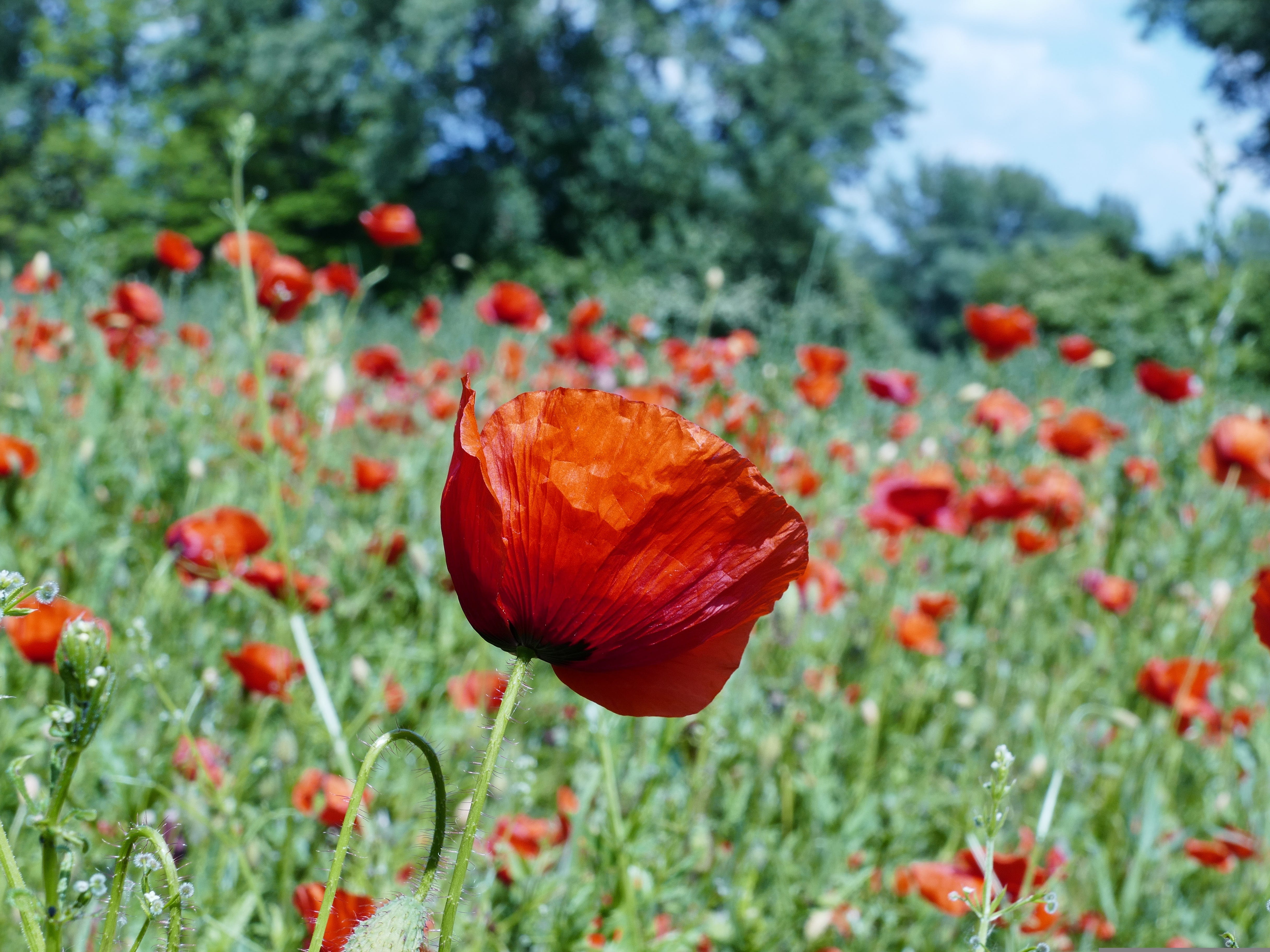
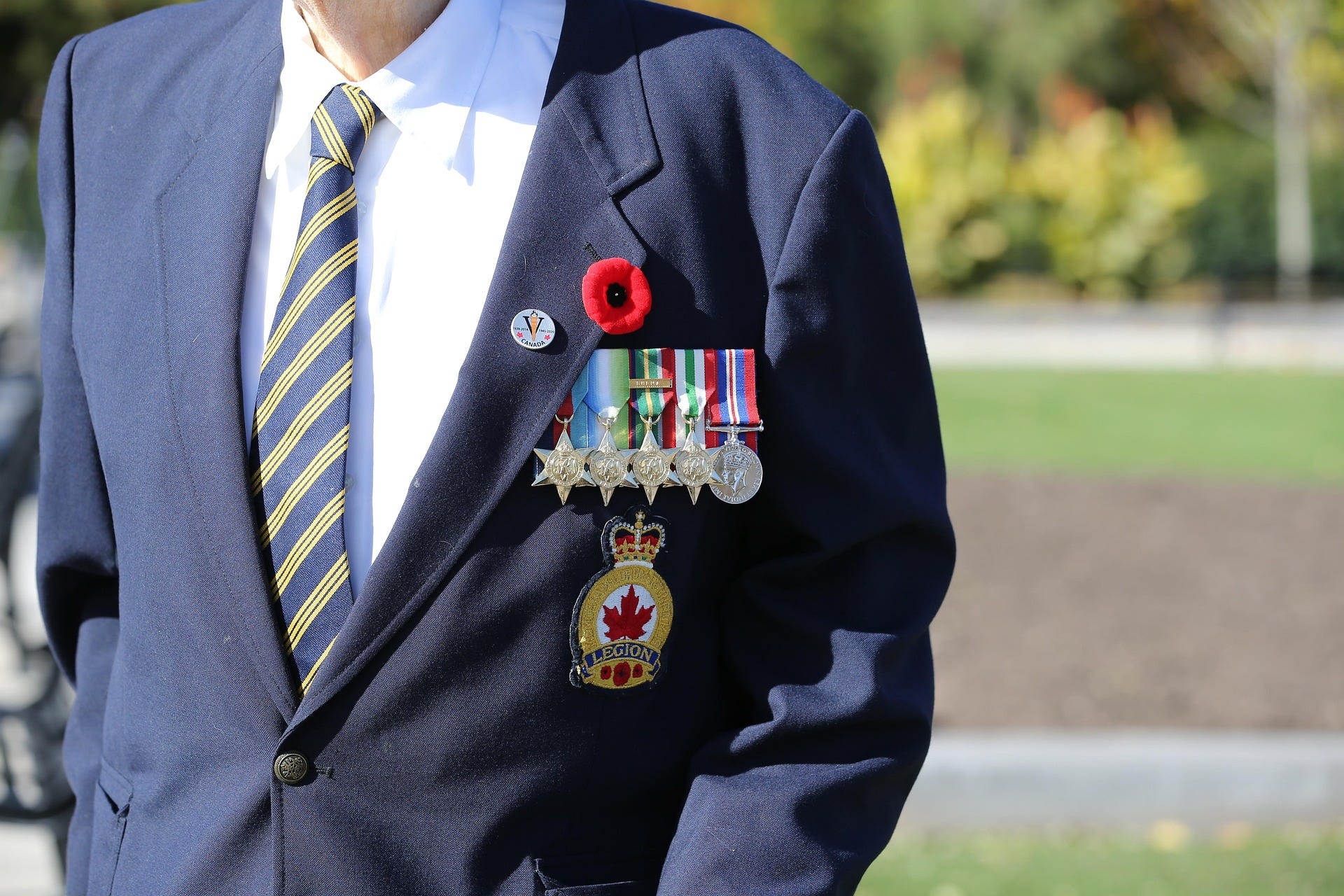
As the clock approaches 11.00am on Remembrance Sunday, communities across East Devon, West Dorset and South Somerset will fall silent. Church bells will pause, traffic will slow and thousands of people will stand with a simple red poppy pinned to their coats.
It is easy to see the poppy as little more than a decoration for one Sunday each November, but it carries a profound and carefully preserved meaning. Its symbolism emerged from the battlefields of the First World War and was immortalised in Lieutenant-Colonel John McCrae’s poem ‘In Flanders Fields’, which describes poppies growing among the graves of fallen soldiers. The flower became a powerful symbol of remembrance, its fragile beauty representing the persistence of life amid the devastation of war.
Our three counties have borne their share of that loss. From the market towns of South Somerset to the coastal villages of East Devon and the rolling hills of West Dorset, young men left familiar homes to serve in the First World War. Many never returned. Those who did often came home changed, carrying physical and emotional scars that were not always visible.
A generation later, the Second World War brought another period of uncertainty and sacrifice. Families across our region waited for letters, news and any word from loved ones serving far from home. Names from local parishes are carved into village war memorials, each representing an individual: a son, a brother, a husband or a father. These memorials are more than historical records. They tell the stories of people whose lives were part of the communities we know today.
Remembrance is not confined to generations long gone. Men and women from East Devon, West Dorset and South Somerset continue to serve in Britain’s Armed Forces, stationed both at home and overseas. They leave partners, children and ageing parents behind as they undertake difficult and sometimes dangerous duties.
We should also recognise the dedication of local public servants, including paramedics, firefighters, police officers and other emergency workers, who regularly put themselves in harm’s way to protect others. Although their service is distinct from military service, it reflects a shared commitment to the safety and wellbeing of our communities.
Crucially, Remembrance Sunday is also an opportunity to remember the families left behind: the wives who waited, the children who grew up without a parent and the parents who buried their sons and daughters. Grief does not end when a battle is over or a conflict draws to a close. Loss can linger for decades, with its effects sometimes passed down through generations.
The two-minute silence is not only an act of remembrance for the fallen. It is also an opportunity to acknowledge the bereaved and the enduring impact that war has on ordinary families. For many, the pain of losing someone they love remains long after the public ceremonies have ended.
Some people question whether we still need Remembrance Sunday. For our corner of the South West, the answer is undoubtedly yes. It keeps us grounded and reminds us that the freedoms we enjoy came at a terrible human cost. The poppy is not a glorification of war; it is a symbol of remembrance and a promise that we will not forget those who served, those who died and the families who continue to live with their loss.
This weekend, as we gather at local war memorials and cenotaphs across East Devon, West Dorset and South Somerset, take a moment to look at the poppy on your lapel. Think of the names carved into our memorials, the men and women from our region who continue to serve, and the families whose lives have been shaped by conflict.
Stand in silence, remember the sacrifice and hold fast to the quiet, enduring promise that the poppy represents.
( Photos: Pixabay Library 📸 )